Why Familiar Places Teach You to See

Some of the most important photographs I’ve ever made came from places I almost ignored.
A corner of a kitchen I’d walked past a thousand times.
A stretch of sidewalk I could navigate in the dark.
A backyard that never felt special enough to photograph.
They didn’t look like photographs waiting to happen.
They looked ordinary.
And that was the point.
The First Time You Stop Seeing
Familiar places go invisible slowly. At first, you notice everything. Light. Texture. Shape. And over time, your brain starts skipping ahead. It fills in what it thinks it already knows. The room becomes a concept instead of a place.
Photography asks you to undo that.
When you bring a camera into a familiar space, you’re fighting habit. You’re asking your eyes to stay present instead of efficient. That’s harder than it sounds.
Why Beautiful Places Can Be a Distraction
Beautiful locations are generous. They offer strong light. Clear subjects. Obvious compositions. You can make a decent photograph there without digging very deep.
Familiar places aren’t generous at all.
They don’t offer drama on demand. They don’t try to impress you. They quietly wait to see how much attention you’re willing to give. That’s why they’re such honest teachers. They don’t reward rushing. They don’t reward spectacle. They reward patience.
Returning Changes the Photograph
Something interesting happens when you return to the same place again and again.
The scene stops being the subject. Light becomes the subject. Time becomes the subject.
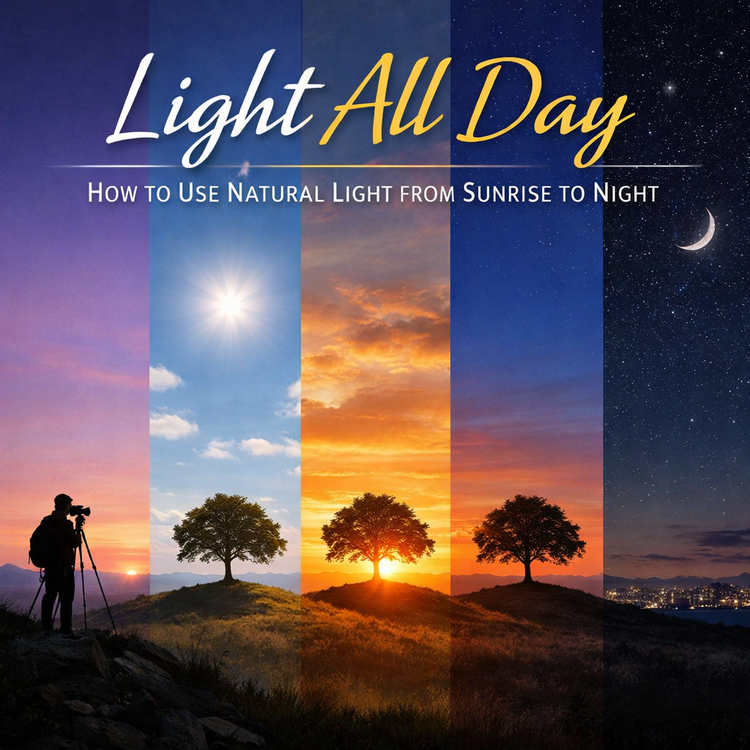
You notice how morning light slides across a surface you once ignored.
How shadows stretch differently in winter than they did in summer.
How the mood of a space changes with weather, season, and silence.
The place stays the same. You do not.
A Camera Date That Teaches Quietly
Choose one familiar place.
Not a landmark. Not a destination. Just a place you already know.
Photograph it slowly. On different days. At different times.
Don’t hunt for something new. Let something reveal itself.
Pay attention to when you stop trying and start noticing. That’s usually when the photograph appears.
What Familiar Places Give You
Familiar places remove the safety net. There’s nothing to hide behind. No impressive backdrop to lean on. No novelty to carry the image.
What’s left is seeing.
And when you learn to see there, it follows you everywhere else.
The Quiet Truth
You don’t need better places to become a better photographer. But you do need deeper attention. Familiar places teach that better than anything else.
Shoot what matters.
Jonathan Charles
Cameradates.com